Ice Dam and Roof Leak Water Damage in Woodbury, MN
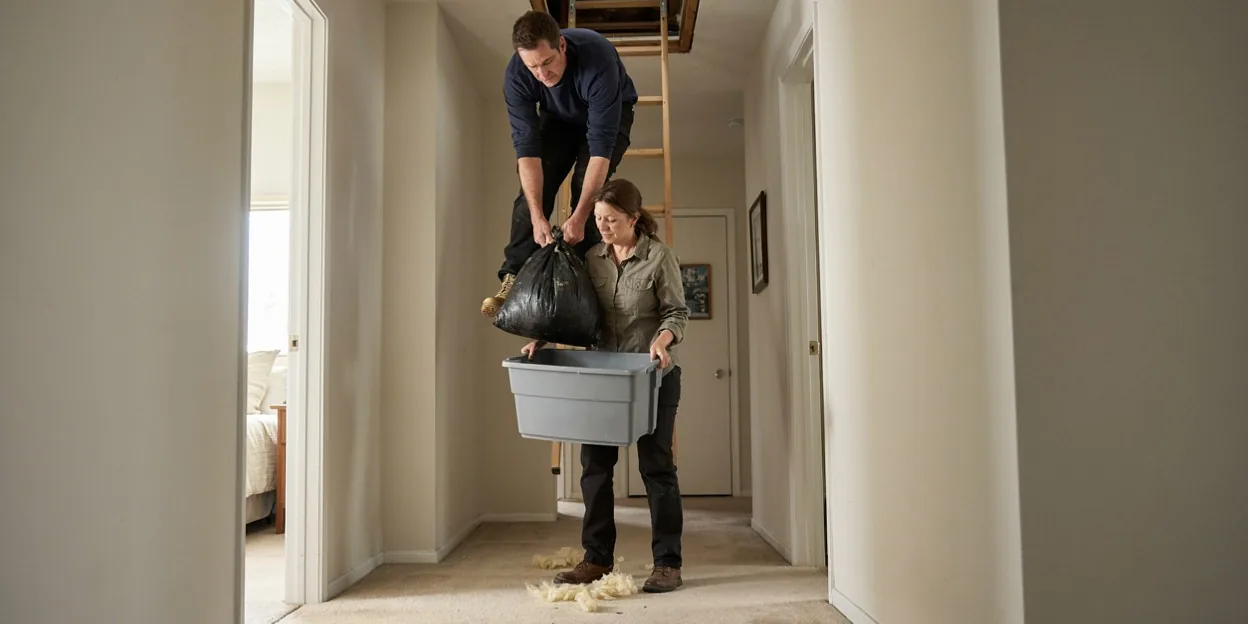
The icicles along the front eave were three feet long by the middle of February, and then the paint on the bedroom wall under them started to bubble. There is a wet line along the top of the wall now, and the carpet by the baseboard is cold. This site connects you by phone with an independent local provider who dries out the inside of a house after an ice dam or a roof leak in Woodbury and across Washington County.
Following the melt from the eave to the baseboard
The crew starts in the attic, because that is where an ice dam leak enters and where most of the water stays. Meltwater that backs up behind the ice goes under the shingles, through the roof deck, and into the insulation above the exterior wall. From there it runs down the top plate, inside the wall, and shows up as a bubble in the paint or a wet baseboard. A thermal camera on the ceiling and the upper wall shows the path; the meter confirms it.
Hail leaks follow a different route. A stone that cracks a shingle lets water through at that spot, and it shows up on the ceiling under it after the next rain, sometimes weeks after the storm. Either way, the roofer stops the water from the outside, and the drying crew handles what is already inside.
Steam, not a hammer, and a bucket under the drip
Do not chip at an ice dam with a hammer or a shovel; it breaks shingles and does not stop the leak. A roofing company with a steamer removes the dam, and a rake used from the ground to pull snow off the lowest few feet of roof keeps the next one smaller. Inside, put a bucket under any drip, move furniture off the wet carpet, and shut off the light on that ceiling at the breaker if water is near the fixture.
Photograph the ice on the eave, the stain, and the wall while the leak is active, because the stain fades as it dries and the adjuster will want to see it. Then call.
Attic insulation almost always comes out
Blown-in attic insulation that got wet flattens, holds water against the ceiling drywall, and does not dry in place. The crew removes it from the wet bays and dries the ceiling from both sides. Ceiling drywall that only stained can often stay once it reads dry; drywall that sagged comes out. The exterior wall below is opened at the top or the bottom depending on where the readings run, and the batt insulation in that section is replaced.
The framing and the roof deck dry in place with air movers and a dehumidifier in the attic. Structural drying runs the equipment until the readings hit target, and the ceiling and wall go back together under water damage reconstruction after the roofer has finished outside.
Why every Woodbury two-story grows an ice dam in a snowy winter
An ice dam needs three things: snow on the roof, an attic warm enough to melt the bottom of it, and an eave cold enough to refreeze the melt. Woodbury's two-stories from the 1990s and 2000s have all three in a heavy winter. Attic bypasses around can lights, bath fans, and the plumbing stack leak warm air upward, the snow melts from underneath, and the ridge of ice at the gutter line builds until the pool behind it works under the shingles. February 2019 was the snowiest February on record in the Twin Cities, and the ice dam season that followed reached into April.
Summer brings the other roof leak. The June 19, 2026 storm dropped half-dollar hail on Woodbury and stones over two inches across the north side of St. Paul, and the roofs it damaged are still producing ceiling stains after every hard rain. Hail damage from that storm and the ice dam leaks of the winter before it are separate events with separate dates, and the adjuster will want each one on its own.
Ice dam and storm damage are often covered as sudden losses, while a roof that leaked slowly for years from worn shingles is often not. Nobody on this site can read your policy, so let the crew's photos, readings, and written scope carry that conversation. If the leak came down through a ceiling into a room below, ceiling water damage repair describes that part of the job.
Calling about an ice dam leak or a hail leak in Woodbury
Have the address ready and say which side of the house the leak is on. Tell the person who answers whether there is ice on the eave right now, whether a roofer has been out, whether the stain is on a ceiling or a wall, and whether the storm damage is from June. Call (651) 461-4569.