Water Damage Restoration in Evergreen, MN
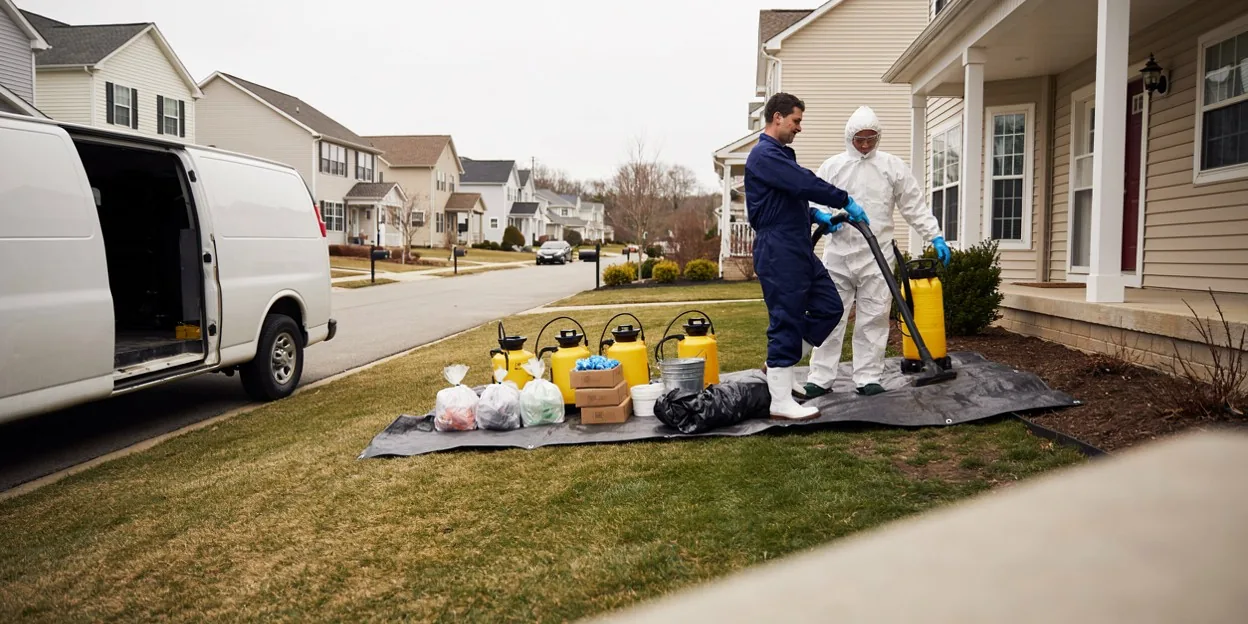
Evergreen is a large planned neighborhood on the north side of Woodbury, built through the 1990s in phases that gave it its own parks, trail loops, and an association that still runs the common ground. The houses are two-stories and splits on full basements, most with the lower level finished by the second owner if not the first. The neighborhood borders the Tamarack Nature Preserve on one side, and the bog's floating peat is a clue to the water table under the streets next to it.
Woodbury's hospital sits at the edge of the neighborhood, which puts Evergreen closer to Interstate 494 and the older, wetter part of the city than the newer subdivisions to the south.
Evergreen calls to this site go to one independent local provider who handles water losses on the north side. The provider walks every level before setting a scope.
Evergreen water damage next to a bog
A finished lower level near the preserve that is damp along the foundation wall every spring is a basement flooding cleanup job even before the water stands, and the readings decide whether the slab or the wall is taking it. A pump that wore out after thirty springs of running is sump pump failure cleanup. A two-story with can lights in the upstairs ceiling and a long north eave grows ice dams, and the wet wall under them is ice dam and roof leak water damage.
The hospital on the corner and the peat next door
M Health Fairview Woodwinds Hospital opened on the Evergreen side of the city and is now among Woodbury's largest employers, which is part of why the neighborhood's houses turn over steadily to new owners who find an old finished basement waiting for them. Rebuild permits go through Woodbury's inspections desk, and the Evergreen association reviews exterior changes.
Call (651) 461-4569 and tell us what you see. We put you through to a local water damage provider serving Evergreen.
Services Available in Evergreen
Basement Flooding Cleanup
Water pulled off the slab and out from under the carpet pad in a finished lower level, then the walls metered before any drywall comes off.
Sump Pump Failure Cleanup
Cleanup after the pit overflowed in a storm or a power outage, with the water gone and the finished basement dried on readings.
Ceiling Water Damage Repair
A stained or sagging ceiling under an upstairs bathroom or an ice dam, drained, dried, and opened only as far as the meter says.
Frozen Pipe Cleanup
The wall, floor, and lower level a split supply line soaked during a January cold snap, pumped out and dried once the water is off.
Ice Dam and Roof Leak Water Damage
Wet attic insulation, ceilings, and exterior walls dried after meltwater backed up behind an ice dam or hail opened the roof.
Water Heater Leak Cleanup
A tank that let go in a lower-level utility room and the carpet, drywall, and storage it soaked, extracted and dried.
Structural Drying
Air movers and dehumidifiers set by moisture readings and run until framing, subfloor, and drywall reach their dry target.
Water Damage Reconstruction
Drywall, trim, carpet, and paint put back in a finished basement after the drying log shows the framing is dry.